
This guest post is drawn from a presentation by my daughter, Sheela Jane Menon, currently pursuing a Ph.D. in English at the University of Texas, Austin. It begins to examine the question of how much progress has been made in race relations in the U.S.
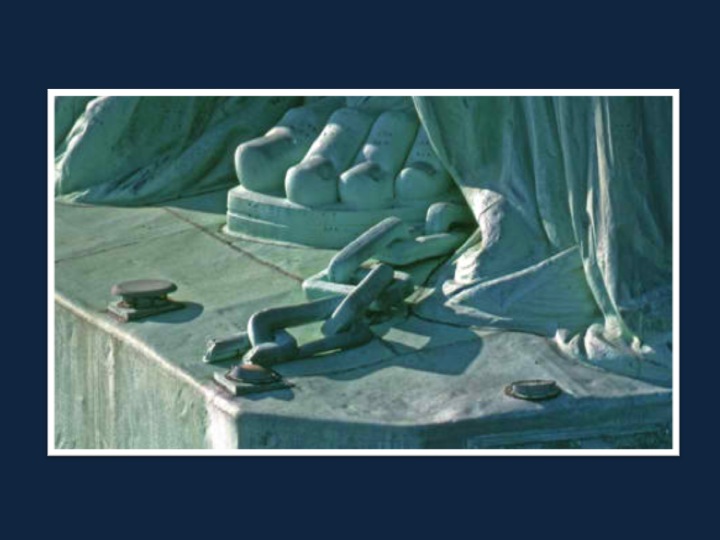
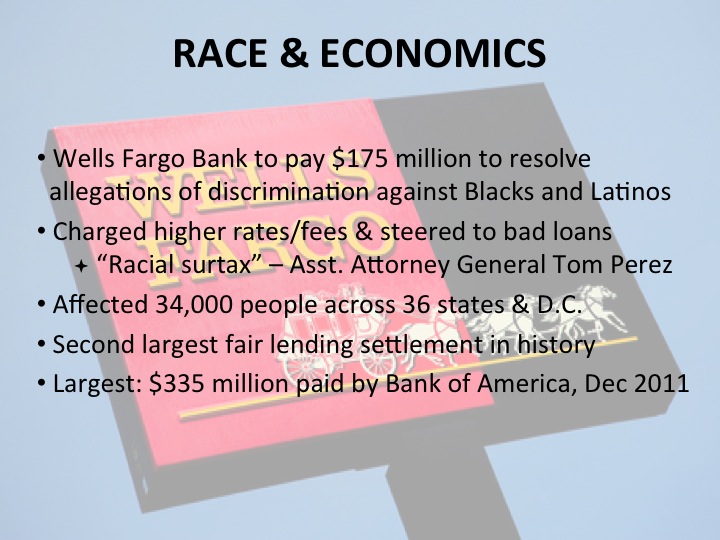
Everyone recognizes Lady Liberty. Few are aware of the broken chains at her feet. When the economic system ensures the dominance of one group at the top and the extreme subjugation of another group at the bottom, we foster a contemporary form of enslavement that we do not necessarily “see.” BLANK TEXTBLANK TEXTBLANK TEXTBLANK TEXTBLANK
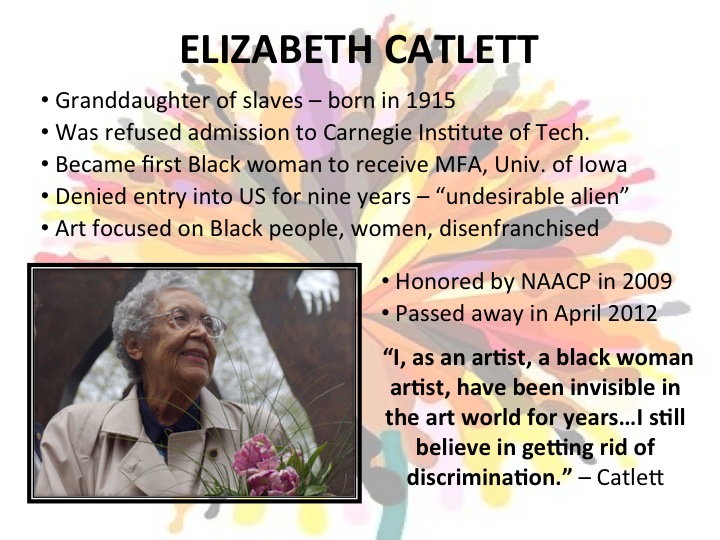
TEXTBLANK TEXTBLANK K TEXTBLANK TEXTBLANK TEXTBLANK TEXTBLANK TEXTBLANK TEXTBLANK ITEXTBLANK TEXTBLANK TEXTBLANK TEXTBLANK XTBLANK TEXTBLANK TEXTBLANK TEXTBLANK TTEXTBLANK TEXTBLANKTEXTBLANK TEXTBLANK TEXTBLANK TTEXTBLANK TEXTBLANK TEXTBLANK TTEXTBLANK TEXTBLANK TEXTBLANKTEXTBLANK TEXTBLANK TEXTBLANK TTEXTBLANK

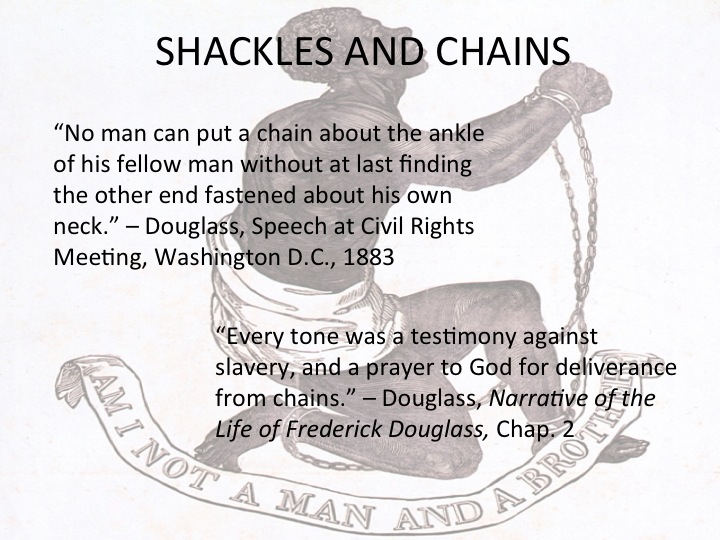 Today our access to the arts and to education is literally at our fingertips via technology and we engage routinely in reading and writing. For Douglass, on the other hand, the suppression of the intellect – the denial of education and the banning of the very acts of reading and writing – constituted his everyday reality; a reality that was designed to both facilitate and justify the process of dehumanization. After all, the assumption that made slavery possible was that those of African descent were incapable of higher levels of thinking or achievement. Africans were not fully human, which in turn justified their position as slaves. Douglass, who strove throughout his early years to learn to read and write, found himself at the mercy of Mr. Covey – a well-known “slave-breaker” whose job was to destroy all vestiges of resistance and independence that a slave might display.
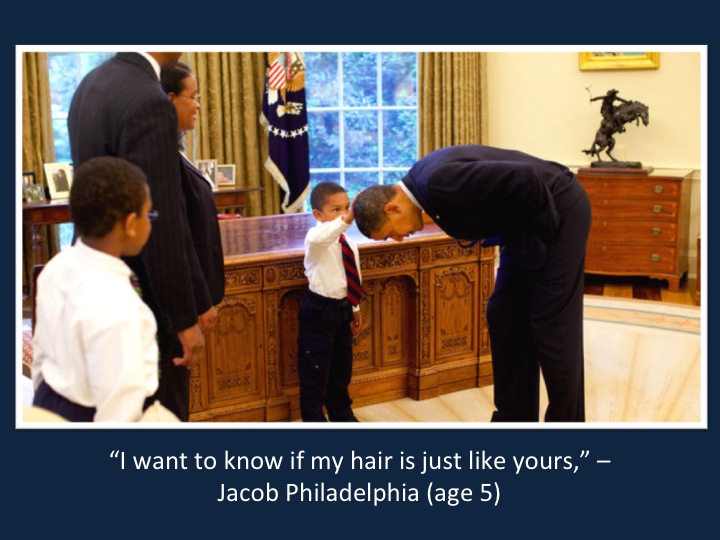 “Yes, it does feel the same,” Jacob said.


Leave a Reply